

Introduction
Global supply chains are no longer defined by efficiency alone. In recent years, manufacturers and suppliers have faced unprecedented disruptions driven by geopolitical shifts, regulatory reform, climate events, and changing trade policies.
In this environment, resilience has become a strategic priority. Forward-looking organizations are moving beyond linear supply chains and toward engineered trade systems designed to absorb shocks, maintain compliance, and preserve operational continuity.
The Limits of Traditional Supply Models
Conventional supply chains often rely on single-source suppliers, centralized logistics routes, and fragmented compliance oversight. While cost-effective in stable conditions, these models create vulnerability during regulatory changes, port congestion, policy shifts, or regional disruptions.
When a single node fails, the entire system can stall, affecting production schedules, contractual commitments, and customer relationships.
Designing Redundancy into Trade Operations
Resilient trade systems are built on diversification and structured governance. This includes:
- Multi-region sourcing strategies
- Verified supplier networks
- Standardized contract frameworks
- Centralized compliance controls
- Documented contingency pathways
By engineering redundancy into both physical supply routes and legal frameworks, organizations maintain flexibility without sacrificing compliance or transparency.
The Role of Governance in Continuity
Operational continuity depends as much on legal and regulatory alignment as it does on logistics. During disruptions, brands with clear contract structures, documented compliance processes, and institutional representation can adapt more quickly to regulatory adjustments and market shifts.
This governance layer enables faster rerouting of shipments, reclassification of goods, and renegotiation of commercial terms without compromising legal integrity.
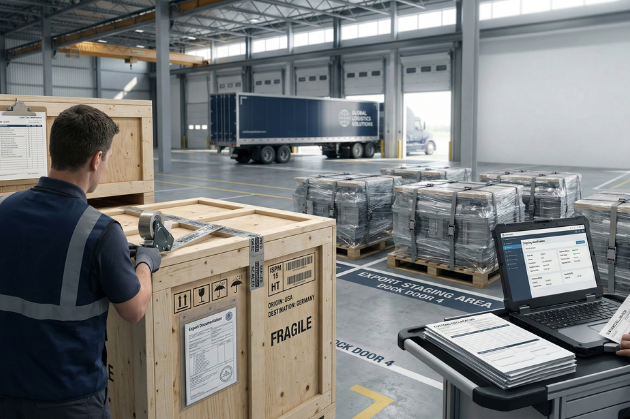

Technology and Data as Enablers
Modern trade systems increasingly rely on data-driven oversight. Predictive analytics, documentation management platforms, and compliance tracking tools provide visibility across transactions, suppliers, and regulatory requirements.
This visibility allows organizations to identify potential risks early and respond proactively rather than reactively.
Conclusion
Resilience in global trade is no longer about recovery—it is about design.
Organizations that engineer governance, redundancy, and transparency into their trade operations are better positioned to withstand volatility and maintain commercial credibility across international markets. By transforming supply chains into structured trade systems, manufacturers and suppliers create a foundation for long-term stability, compliance, and sustainable growth.